

In the 2026 UN climate talks, prioritize Africa’s energy needs and debt crisis
Throughout sub-Saharan Africa, the current climatic season (beginning from September & October) has normally been a rains one. And as is currently evident, a climate-change fueled Super El Niño has continued to warp the weather and at a time when more than two-thirds of low-income countries cannot either meet the financial obligations of their sovereign debt, or are at high risk of reaching this level. And yet, Africa’s per capita climate emissions (a major fact in climate change and global warming) are less than half that of the Global North.
Unfortunately and evidently, African nations are on the front lines of a climate crisis that they did not produce, and all the while facing shrinking foreign aid and increasing sovereign debt. This combination is choking off Africa’s prospects for economic growth, and with much of the aid for climate-change driven disasters coming in the form of loans (climate-change driven disasters) , the situation continues to intensify and to present more challenges.
Evidently, African nations are on the front lines of a climate crisis that they did not produce, all the while also facing shrinking foreign aid and increasing sovereign debt. This combination is choking off Africa’s economic growth prospects. With much of the aid for coming in the form of loans, the situation continues to intensify.
According to recent research, the top third most climate-vulnerable countries spend on average almost two-thirds of their revenue servicing their sovereign debt. These governments spend, on average, 25 times more on debt service than on climate action. Meanwhile, roughly two-thirds of the Global North’s self-described climate finance consists of loans.
In the lead up to the UN’s annual climate change talks (known as COP31 this year), a spotlight will shine on the “Just Energy Transition”—the global effort to move away from fossil fuels and towards renewable energy. But the transition cannot be called “just” if low-and middle-income countries must mortgage their futures in the process.
Yet, many leaders from the Global North hesitate to address this transition. Their neglect ignores the finance, debt relief and related policies requisite for protecting the people and economies of the Global South. Instead of a just transition, we end up with a disorganized and unjust process.
Undoubtedly, the energy needs of African nations are no less important than those of the Global North. Our current and future populations will not forgive us if we sacrifice their development, their schools, their hospitals and their roads in the current diplomatic efforts to solve climate change and which is a crisis that we barely contributed to.
Across the African continent, we see debt problems disrupting the economic transition away from fossil fuels: In Nigeria, Africa’s most populous country, for instance, in 2024, fossil fuels comprised almost 90% (percent) of the nation’s exports by value, even as now-abandoned oil and gas extraction projects continue to plague local communities. Despite the rise in oil prices due to the Middle East conflict, Nigeria’s debt burden continues to climb, dis-incentivizing the transition away from fossil fuels.
In South Africa, where the country’s debt-to-GDP ratio sits at 78.4% (per cent), the first priority for local governments in Johannesburg and elsewhere is to avoid running out of drinking water as El Niño heats up the region. In Kenya, which has a debt-to-GDP ratio of 70%, the rise in oil prices has triggered street protests from cash-strapped consumers. In Senegal, next year’s (2026/2027) national budget process has stalled as the government cannot afford its current level of energy subsidies given its increasing debt burden.
There are three major gaps that undermine our ability to address these challenges. First, there is no financial architecture to support a just transition. Countries cannot invest in clean energy, jobs and resilience while spending more on debt than on health, education and climate action combined. We need new mechanisms to address debt and enable economic diversification, and developed countries must deliver on their finance obligations under Article 9.1 of the 2015 Paris Agreement. The Cali Fund, established under the Convention on Biological Diversity in 2024, could be another vehicle to provide resources but, at present, it is woefully under-capitalized.
Second, while the climate change talks in Belém in 2025 reached consensus that a Just Transition Mechanism should be implemented, that mechanism currently exists only on paper. Instead of a reliable source of resources for this objective and a lead role for affected communities in planning activities, we have an ongoing debate over the details.
Third, the rules of the global economy shrink our room to act, exposing governments to costly investor claims when they change course on energy. These rules and trade measures keep Africa as a supplier of raw materials while the jobs and value of the green economy are created elsewhere. We need a shift in legal structures, from those that reward corporations to those that guarantee rights.
At COP31 in Türkiye, we will ask for a Just Transition Mechanism that is operational, equitable, adequately funded and shaped by African priorities. We will also seek concrete progress on debt and finance reform, so that the transition does not deepen the debt trap. Last, we will advocate for protections so that African countries pursuing green industrial strategies will not be penalized by trade rules or investor lawsuits. And we will continue advocating for these priorities through the coming year and at COP32, which Ethiopia will host.
For Africa, a just transition is not solely a matter of energy. It is about whether we industrialize, create decent jobs, and expand energy access for the hundreds of millions of Africans still without electricity—all these –while improving our financial independence. Tackling debt is just as urgent as tackling climate change. We need action on both fronts.
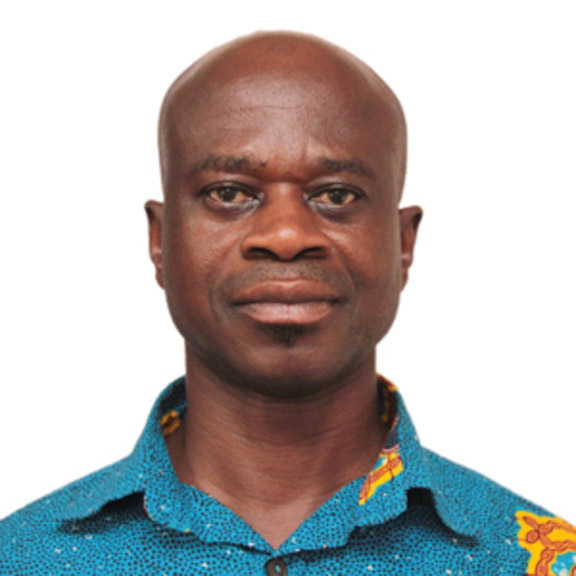
By Nana Dr. Antwi-Boasiako Amoah, Chair of the African Group of Negotiators (AGN) on Climate Change

