Fairtrade Africa marks 20th anniversary
Agriculture support:
Rising global temperatures and other climatic changes seen in occurrences such as cyclic droughts & floods & very cold seasons and heat waves in hot seasons et al have in recent years exacerbated food insecurity all over the world and especially in Africa which has traditionally been known as a food deficient continent. Droughts and severe famines such as the legendary 1984 famine in the Horn of Africa have provided a wakeup call not just in Africa but also throughout the world.
 More awareness and efforts are now in place to promote agriculture and to ensure that the activity is made a more profitable and sustainable economic activity for all people and not just the people in rural, arable lands. Irrigation has, like never before, been highlighted and promoted as the next door to better food yields and to remove dependency on rain-fed agriculture.
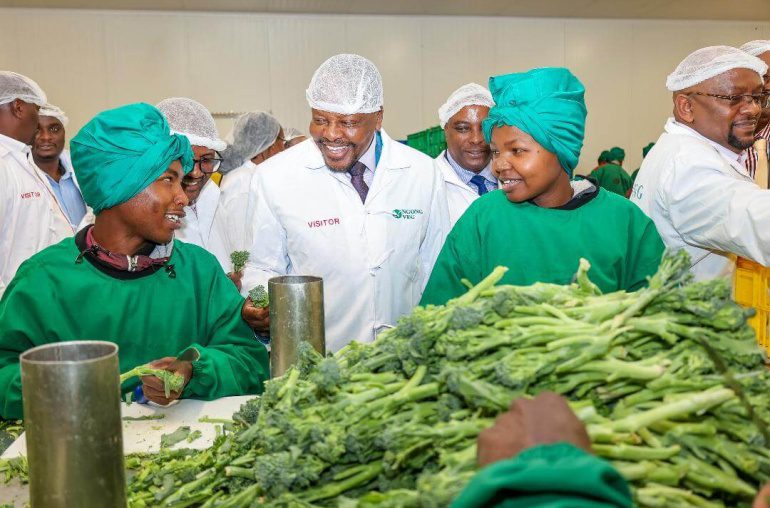
Notably, Fairtrade Africa has actively participated in these and related endeavors in the last 20 years in Africa and the Middle East. Apart from considerably investing in agriculture, the organization has also worked to ensure growth of resilient future for farmers.
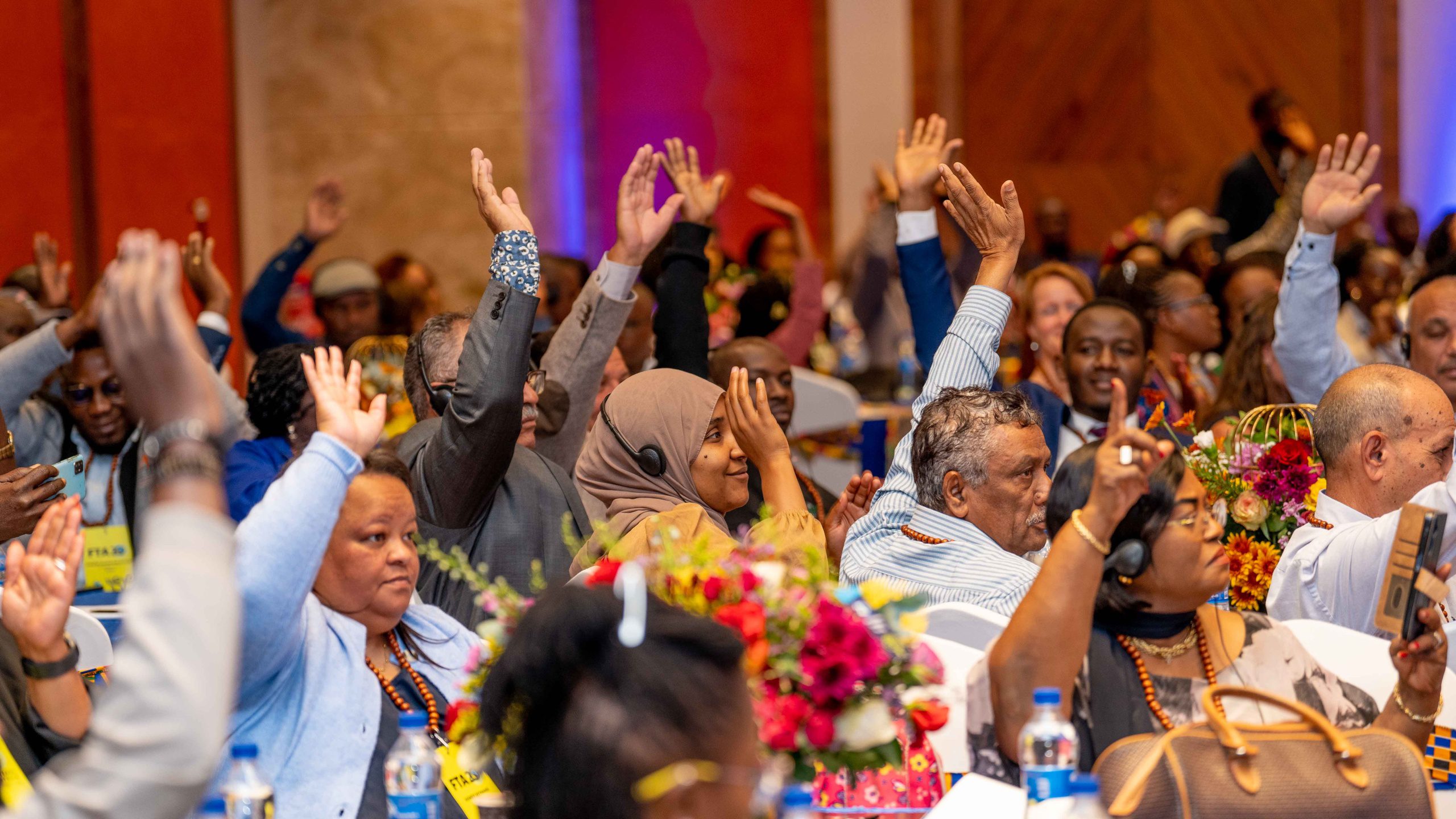
Essentially, Fairtrade Africa is the independent, non-profit umbrella organization representing all Fairtrade certified producers in Africa and the Middle East, and supporting the development of thriving farming and worker communities. The institution is marking its 20-year anniversary in which period it has invested almost K sh 105,266 million (M) (€700 M) in over 780 community projects across the continent, it was announced in Nairobi, Kenya on 3rd September 2025. Fairtade Africa also launched a new strategy for its future initiatives.
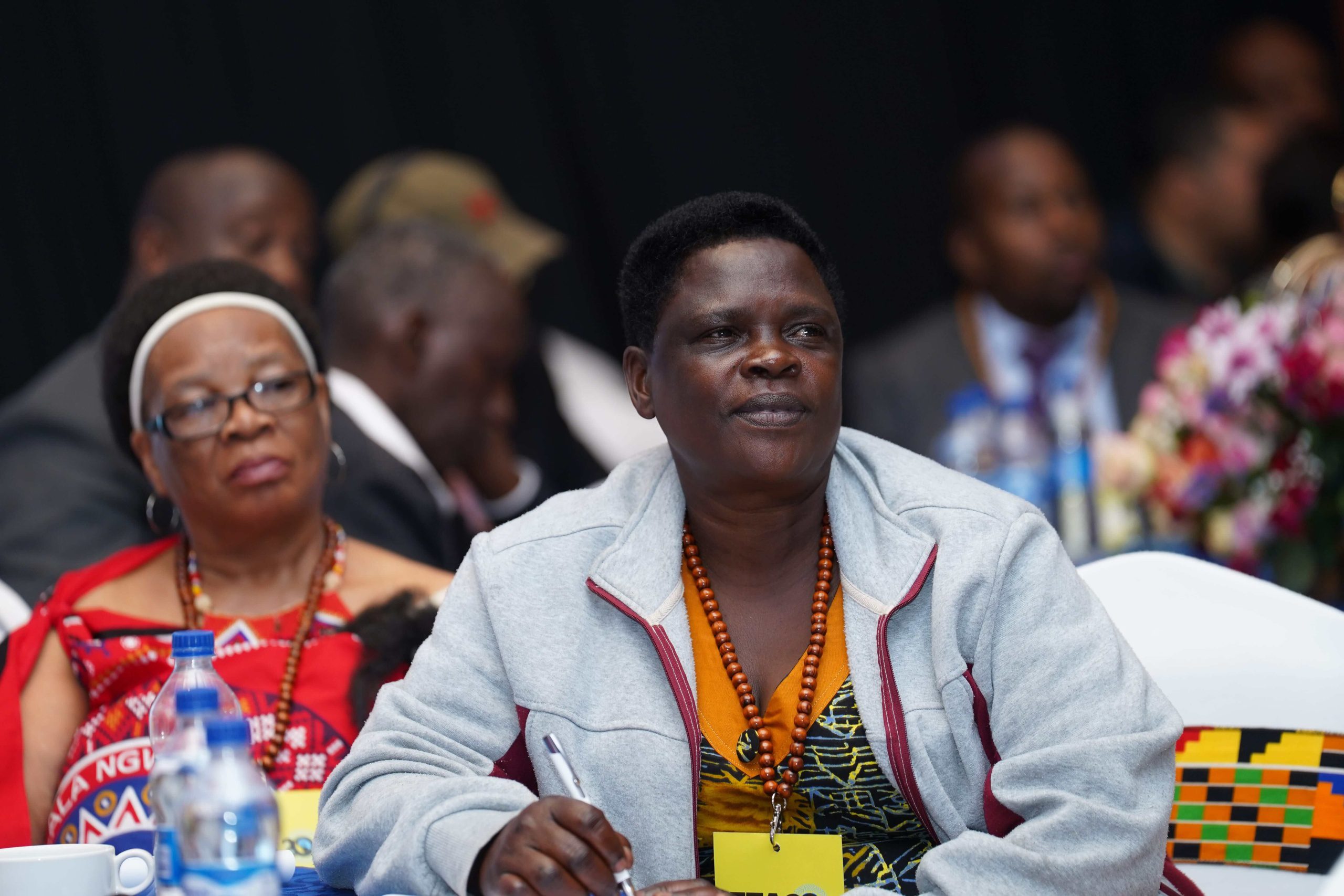
The organization’s investments have funded schools, health facilities, and climate adaptation initiatives, transforming lives and strengthening cooperatives by improving welfare and enabling producers to build more resilient futures. In addition, Fairtrade Africa has worked to improve women’s opportunities, skills and representation within producer organizations, enabling them to influence decisions which in the past were limited due to cultural and social norms that ostracized women.
Fairtrade Africa focuses much of its support on enabling smallholder farmers and workers across 33 countries to secure fairer prices, increase market access and introduce sustainable farming practices. By uniting producer organizations under one network, Fairtrade has helped deliver guaranteed minimum prices, premium payments above industry averages and access to finance and training. The initiatives have reduced vulnerability to market shocks and allowed farmers to increase trade across Africa.
In marking the 20-year anniversary, Fairtrade Africa launched its new strategy promising to continue supporting African and Middle East small holder farmer empowerment and growth.
The strategy priorities include promoting and increasing regenerative agriculture to restore degraded land; equipping 10,000 young farmers with digital climate tools and launching “Made by Africa” brands under the AfCFTA (African Continental Free Trade Area) to expand intra-African trade. With more than 25 per cent of leadership roles in Fairtrade cooperatives now held by women, which is three times the industry average, the organization is also committed to deepening women and youth leadership in agriculture.
“For two decades, Fairtrade Africa has walked alongside farmers and workers to ensure that their voices are heard and their communities thrive,” explained Fairtrade Africa Executive Director Isaac Tongola as he reflected on the organization’s past 20 years and the journey ahead. “As we look forward to the next 20 years, our focus is clear: fairer prices, stronger communities, and sustainable trade that works for both people and the planet,”Tongola affirmed.
He affirmed that Fairtrade Africa remains committed to championing fairer prices, building resilient communities, and driving sustainable trade across the continent. “We’re ensuring that producers can thrive in a rapidly changing world,” Tongola averred. {Ends}